Electric motors, also known as electric Motors or power units, are electromechanical devices that convert electrical energy into mechanical energy. They play a key role in many industrial and civil machinery systems such as:
Industry: Used for conveyors, air compressors, machine tools, grinders, presses, etc., in factories and enterprises.
Agriculture: Used in irrigation pumps, milling machines, and systems for livestock farms.
Household: Present in fans, washing machines, refrigerators, and vacuum cleaners. 220V electric Motors are very common in these devices.
Construction: Used for concrete mixers, cranes, elevators, and lifting equipment.
Structure of Electric motors
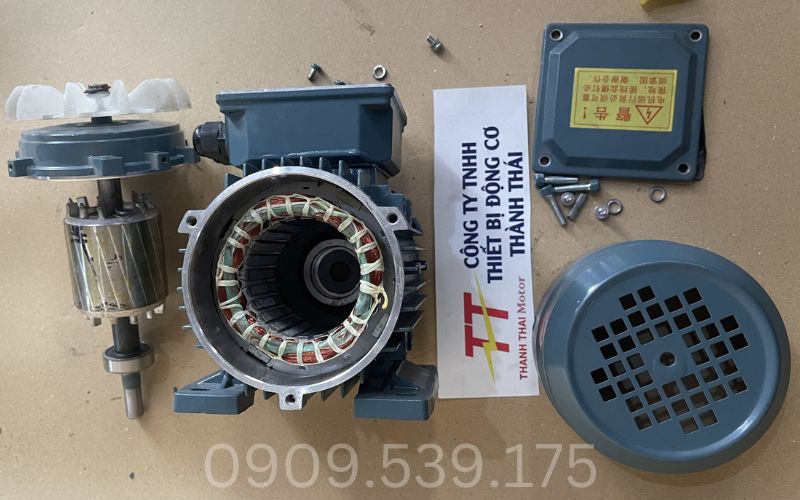
Internal structure of a 3-Phase Electric Motor 0.18kW 0.25hp
The structure of Electric motors consists of 3 main parts:
Shell (Frame): Usually made of cast iron or aluminum, serving to protect the internal components of the electric Motors from impact and environmental factors.
Stator (Static part): The stationary part of the electric motor. This is one of the primary components of Motors, responsible for creating a rotating magnetic field.
Rotor (Rotating part): The moving part of the electric motor, placed inside the Stator. When the Stator’s magnetic field rotates, it induces and creates a magnetic force that pulls the Rotor to rotate. This is also a fundamental part of Electric motors.
Working Principle of Electric motors
The operating principle of Electric motors can be summarized through the following steps:
Creating a rotating magnetic field: When supplying alternating current (1-Phase or 3-Phase) to the Stator winding, a rotating magnetic field is generated within the Stator. For a 3-Phase Electric Motor, this magnetic field is created naturally. For a 1-Phase Electric Motor, an auxiliary circuit is required to create the necessary phase shift.
Electromagnetic induction on the Rotor: The rotating magnetic field of the Stator sweeps across the Rotor’s conductors, inducing an electromotive force. Since the Rotor circuit is closed, this electromotive force generates an induced current in the Rotor conductors.
Generating electromagnetic force and torque: The Rotor conductors with current flowing through them are situated within the Stator’s magnetic field; therefore, they are subject to electromagnetic force (according to the left-hand rule). The sum of these forces creates torque, pulling the Rotor to rotate in the same direction as the Stator’s rotating magnetic field.
Classification of Electric motors
Classification by Phase
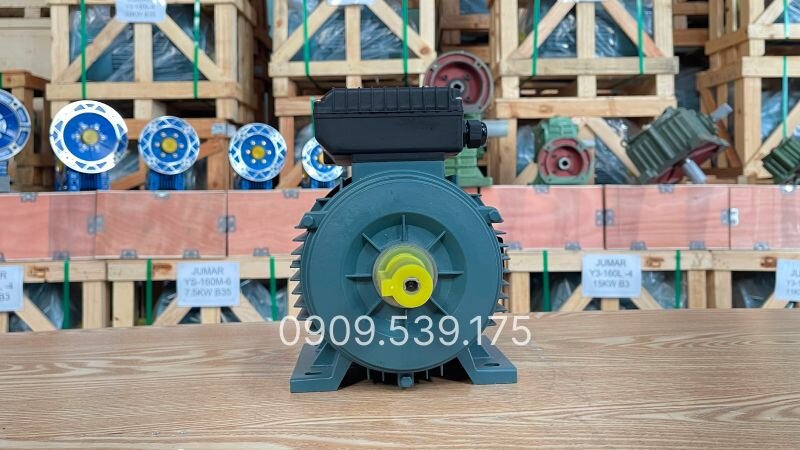
1-Phase Electric Motor
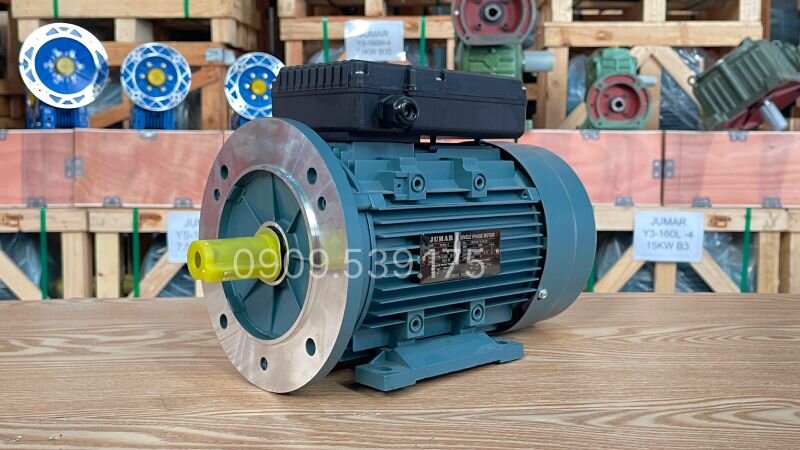
1-Phase Electric Motor 1.5kW
This type of motor is common in residential applications and low-power devices. Advantages include easy installation and simple operation, making it suitable for water pumps, industrial fans, small air compressors, etc.
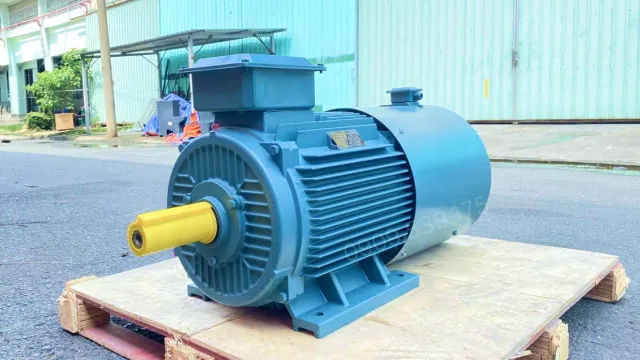
3-Phase Electric Motor
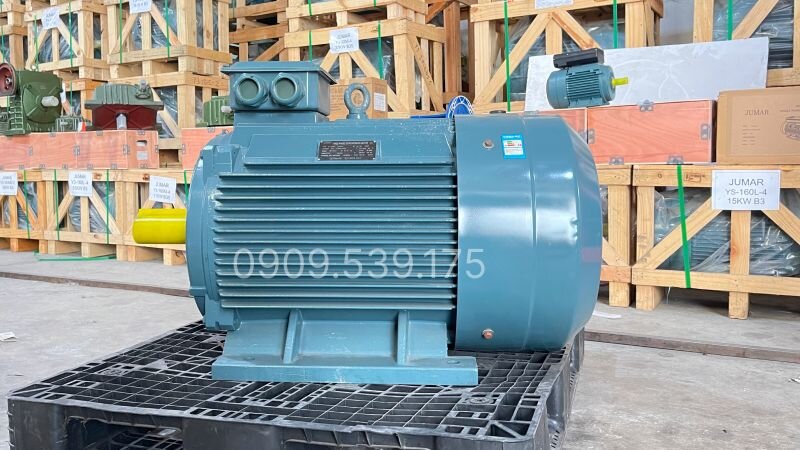
3-Phase Electric Motor 90kW
Used in industry due to its high efficiency, stable operation, and energy savings. It is ideal for production lines and heavy-duty machinery.
Classification by Product Type
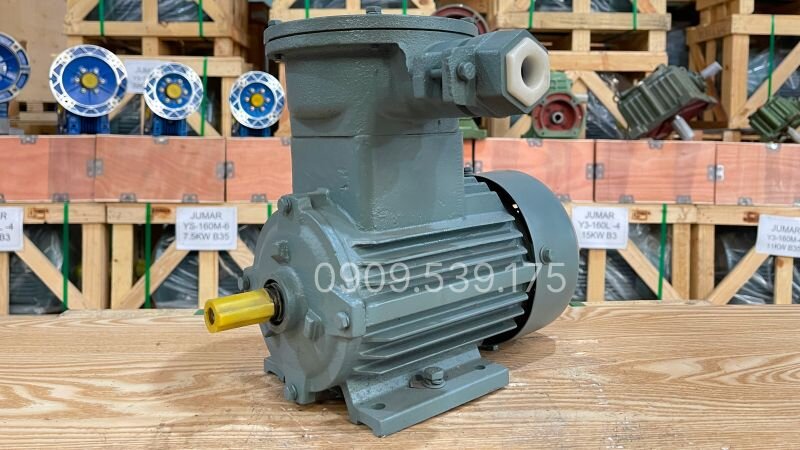
Explosion-proof
Explosion-proof motor 0.75kW
Specially designed to operate safely in flammable and explosive environments such as mines, gas stations, and chemical plants. 3-phase Explosion-proof Motors are a core product line at Thanh Thai Motor.
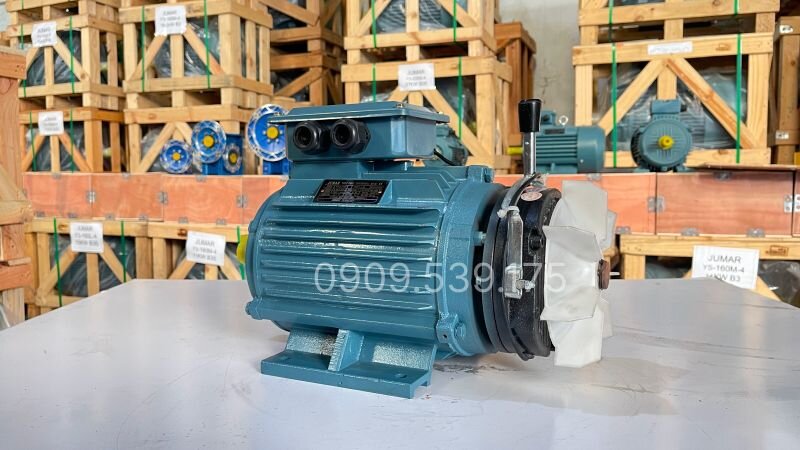
Brake Motor
Brake Motor 4kW 5.5 Hp
Integrates an electromagnetic brake system (magnetic brake) to help stop the machine quickly, ensuring safety for both operators and equipment.
Inverter Duty Motor
3-Phase Inverter Duty Motor 45kW 60Hp
Equipped with a forced cooling fan. This is a separate electric fan with its own power source that always runs at maximum speed, regardless of how fast or slow the main motor is rotating. This ensures the motor always achieves optimal heat dissipation.
Classification by Number of Poles (Speed)
2-pole Electric motors have an output speed of approximately 2,800 – 3,000 rpm.
4-pole Electric motors have an output speed of approximately 1,400 – 1,600 rpm.
6-pole Electric motors have an output speed of approximately 900 – 1,000 rpm.
Classification by Mounting Type
Electric motors have 2 common mounting styles: foot-mounted (B3) and flange-mounted (B35, B5, B14).
Criteria for Choosing Electric motors
Criteria for choosing Electric motors
To select the right Electric motors, the technical team at Thanh Thai Motor advises customers to consider the following 4 important criteria:
Power (HP, kW): Must be appropriate for the machine’s load.
Rotational speed (rpm): Choose a speed that matches the requirements of the equipment.
Motor type: Select between 1-Phase and 3-Phase Motors depending on the power supply and application scale. A 220V electric Motors unit will be suitable for residential power.
Energy efficiency: Prioritize Electric motors with high efficiency (IE2, IE3) to save on electricity costs.
How to Properly Wire Newly Purchased Electric motors
Proper technical wiring for Electric motors
Depending on the power source used and the type of product, there is a correct wiring method.
For a 1-Phase Electric Motor: Remove the terminal box cover and connect one power wire to the relay; connect the other power wire to terminal U1 or V1. Do not connect the power wire to the relay along with terminal U2 or V2, as this will damage the motor.
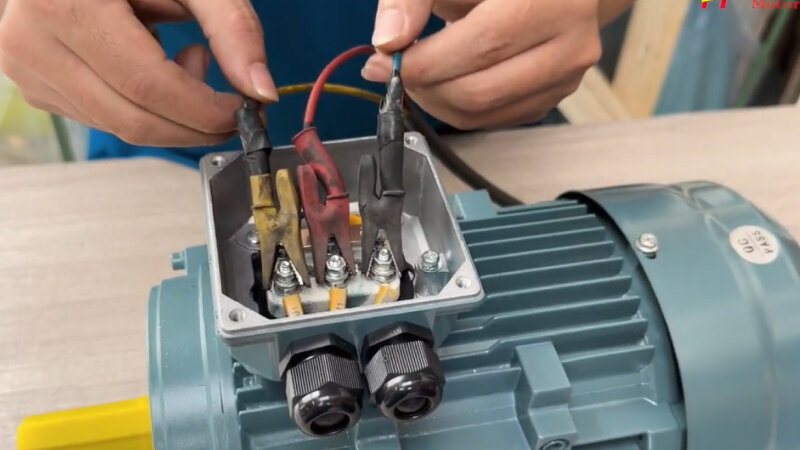
For a 3-Phase Electric Motor: Remove the terminal box cover and connect to the correct positions: U1, V1, W1. Absolutely do not connect to U2, V2, W2, as this may cause the motor to burn.
You can visit the video compilation section for Electric motors to see detailed instructional videos performed by technical specialists from Thanh Thai Motor.
Latest Price List for Electric motors 10/2026 at Thanh Thai Motor
1-Phase Electric Motor Quote
This 1-Phase Electric Motor line is specialized for residential use and the 220V household power grid. It is suitable for water pumps, small air compressors, or household appliances.
The 3-Phase Electric Motor line is widely used in industry, operating on 380V power with high efficiency and extreme durability. It meets all needs from conveyors and industrial fans to grinders.
Designed specifically with a thick shell to prevent sparks from escaping, Explosion-proof Motors are used in flammable environments such as mines, oil and gas, and chemical plants.
This type of Electric motors is fitted with an electromagnetic brake (magnetic brake) tail that helps the motor stop immediately when power is cut, ensuring safety for elevators and cranes.
The Inverter Duty Motor utilizes a separate forced fan to help the motor run stably at low speeds without overheating. This line is specialized for use with a Variable Frequency Drive to adjust speed.
This Motors line belongs to the high-power segment, requiring a stable electrical system and often utilizing the star-delta starting method to protect the power grid.
Electric motor price quotation video 10/2026 - Thanh Thai Motor
rn
Frequently Asked Questions (FAQ)
How to distinguish between aluminum shell and cast iron shell Motors, and when should each be used?
The choice of shell material depends on the operating environment. Aluminum shell Motors offer fast heat dissipation, are lightweight, and have high aesthetic appeal, often used for applications requiring continuous operation but moderate loads. Conversely, cast iron shell Motors have extremely high mechanical durability, good impact resistance, and effective corrosion resistance, making them the optimal choice for harsh environments like stone quarries, cement production, or heavy-duty systems needing absolute stability.
What is the meaning of the IP55 protection rating and why is it important?
What is IP55 on Electric motors? It is an international standard for equipment protection. At Thanh Thai Motor, the IP55 standard ensures the motor operates stably in high-humidity conditions or dusty factory environments, thereby extending lifespan and minimizing the risk of short circuits and fires.
Why do electric Motors heat up quickly during operation and what is the fastest way to handle it?
There are 3 main technical reasons often encountered:
Operating at an overload compared to the nameplate specifications.
Unstable voltage supply (phase loss).
The cooling fan system at the rear is clogged with dirt, causing heat buildup.
When encountering this situation, you should stop the machine immediately to check the current intensity with a clamp meter. To better understand the troubleshooting process for this issue, you can refer to our technical instruction video section to protect your equipment properly.