


What is a high head water pump?
A high head water pump is a specialized water pump designed to create strong pressure, helping to pump water to high locations or transport water over long distances with a large total head. This type of water pump is commonly used in high-rise buildings, domestic water supply systems, irrigation, construction projects, or applications requiring strong and stable water pressure.
Unlike standard pumps that prioritize high flow rates, a high head water pump focuses on pressure generation to pump water to higher elevations more effectively. Depending on usage needs, users can choose a 1-phase high head water pump, 3-phase high head water pump, high head centrifugal pump, or large-capacity industrial lines.
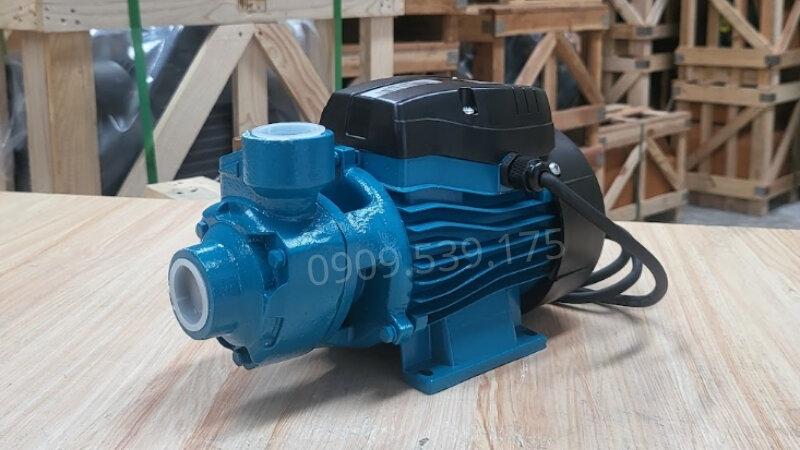
Structure of a high head water pump
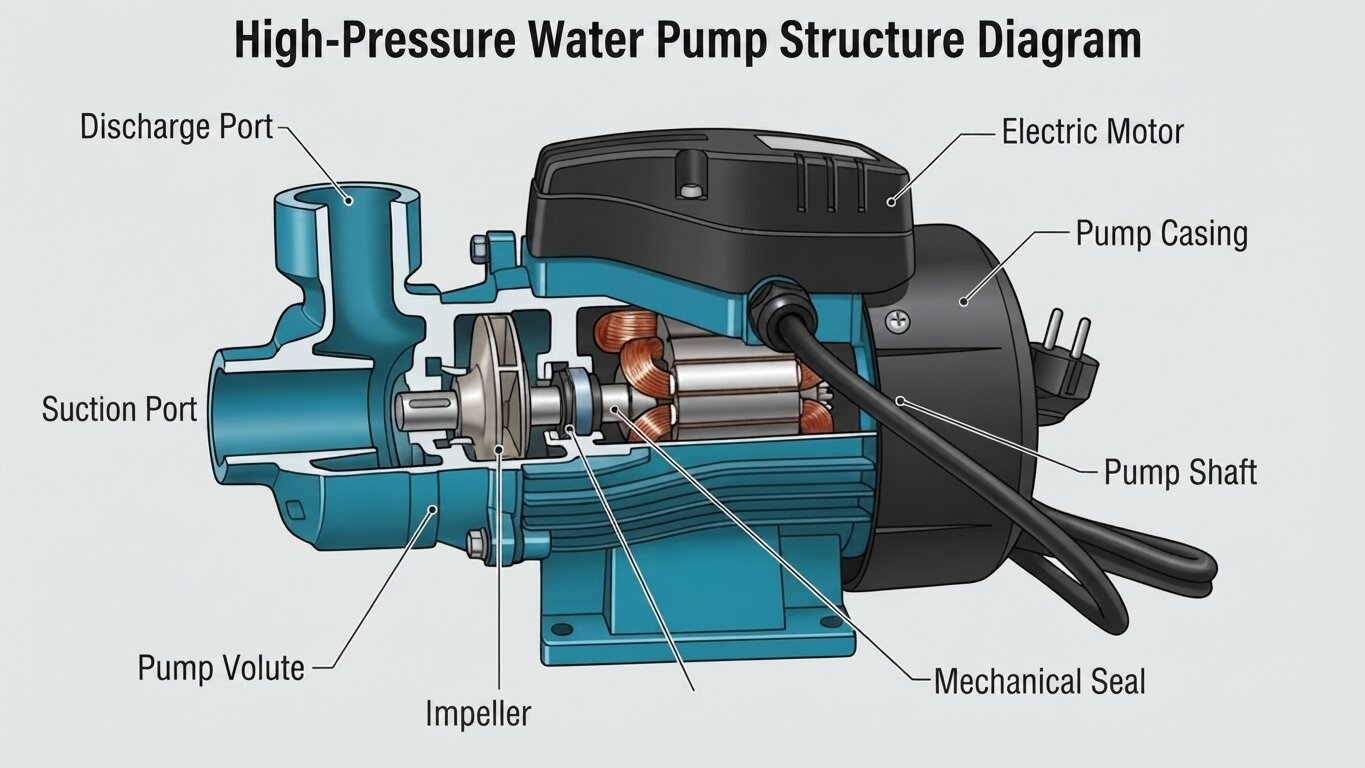
A high head water pump consists of many important components that help create strong pressure and transport water to great heights stably. Below are the main components in the structure of a high head water pump:
- Electric motor: This is the component that generates rotational movement for the entire system. The motor can use 1-phase or 3-phase electricity depending on the power and usage requirements. Motor quality directly affects the performance and durability of the high head water pump.
- Impeller: The impeller is the part that creates centrifugal force to draw and push water. In a high head water pump, the impeller is usually specially designed to generate higher pressure compared to standard pumps.
- Pump casing: This is where the water suction and discharge process takes place. The pump casing is designed to be tight and sturdy to optimize water pressure and minimize loss during operation.
- Pump shaft: The pump shaft connects the motor to the impeller, helping to transmit rotational motion stably. This part is usually made from stainless steel to enhance load-bearing capacity and corrosion resistance.
- Mechanical seal: The seal prevents water from leaking out during operation, while protecting the motor and internal components of the high head water pump.
- Pump housing: The pump housing is usually made of cast iron, stainless steel, or aluminum alloy to increase durability, pressure resistance, and oxidation resistance in humid environments.
- Suction and discharge ports: These are the two positions that allow water to enter and exit the pump. The size of the suction and discharge ports affects the flow rate and operating performance of the high head water pump.
Operating principle of a high head water pump
A high head water pump operates based on the principle of generating pressure through centrifugal force to pump water to higher elevations or transport it over long distances. When the electric motor operates, the pump shaft rotates and drives the impeller to move at high speed inside the pump casing. During rotation, the impeller creates centrifugal force that draws water in from the suction port and forcefully discharges it out of the discharge port with high pressure. Thanks to this pressure, the high head water pump can deliver water to storage tanks, upper floors, or high-altitude locations while maintaining a stable flow rate.
Depending on the impeller design, motor power, and number of stages, each high head water pump model will have different head and flow rate generation capacities. Some pump lines are optimized for continuous operation in residential water supply systems, industrial systems, or large-scale irrigation.
Classification of high head water pumps
Classification by electrical phase
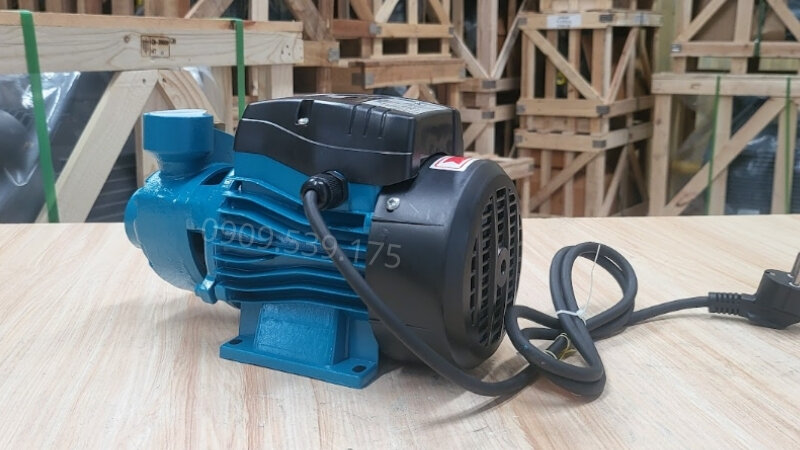
1-phase high head water pump: This pump model uses 220V residential electricity, making it very popular in houses, shops, restaurants, or small-scale projects. The device has the advantages of easy installation, simple operation, and guarantees the ability to pump water to high elevations with stable pressure for daily living needs.
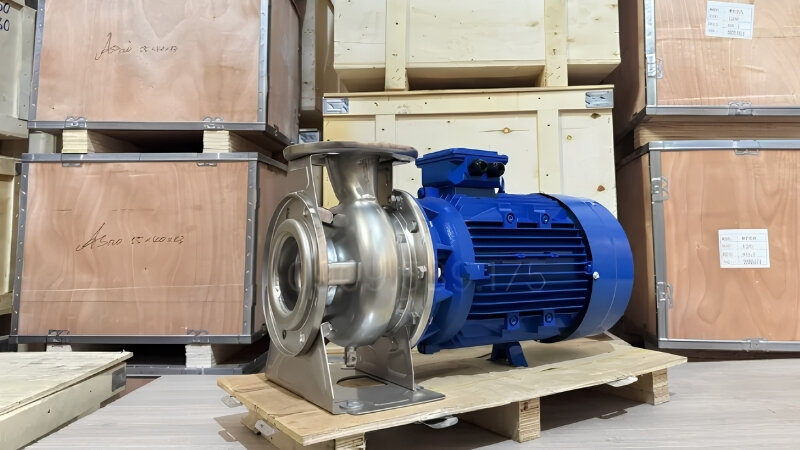
3-phase high head water pump: Using 380V voltage, this pump line is suitable for apartment buildings, factories, hotels, or public water supply systems that require continuous operation at high intensity. Thanks to its powerful and stable operation, the pump is often applied in projects requiring a large head and stable water flow rate.
Classification by power capacity
High head water pump under 3.7kW: This is a suitable choice for 1 to 4-story houses, residential water supply systems, or small projects needing good water pressure. This pump line helps save energy, offers reasonable investment costs, and effectively meets daily water usage needs.
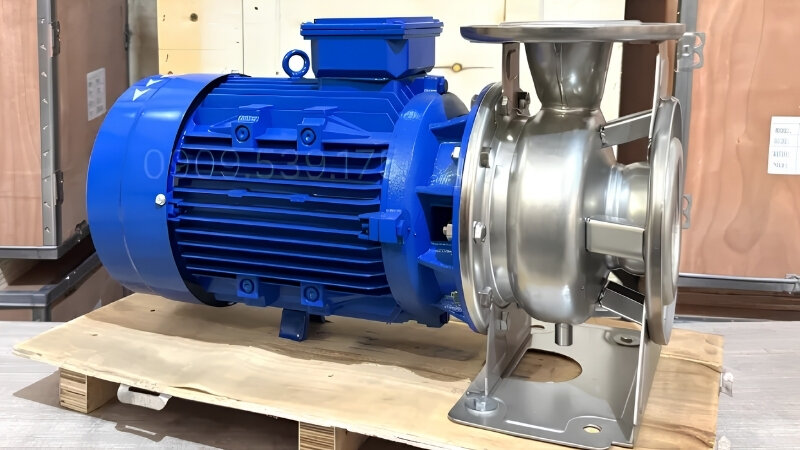
High head water pump over 3.7kW: With large power capacity and strong pressure generation capability, this pump line is typically used for high-rise buildings, industrial water supply systems, or projects requiring water transportation to great heights over long periods. The equipment is suitable for continuous and heavy-duty operation needs.
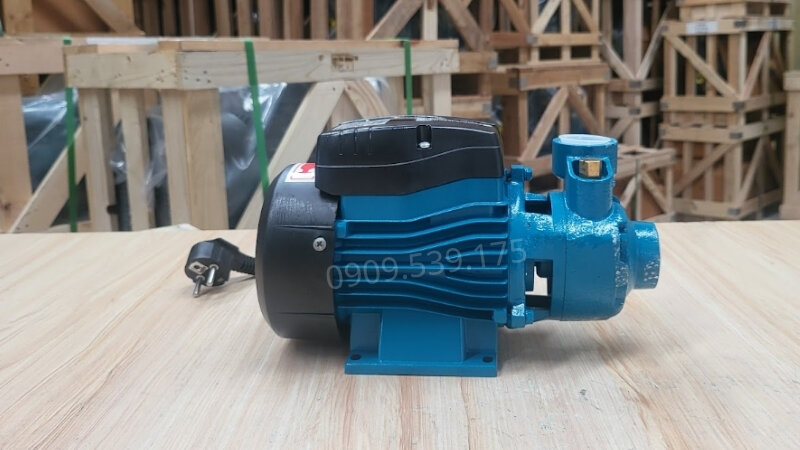
Classification by flow rate
Water pump under 50m3/h: This pump line is suitable for households, shops, cafes, or water supply systems with moderate usage needs. The device ensures stable operation, energy savings, and well meets daily living or small business requirements.
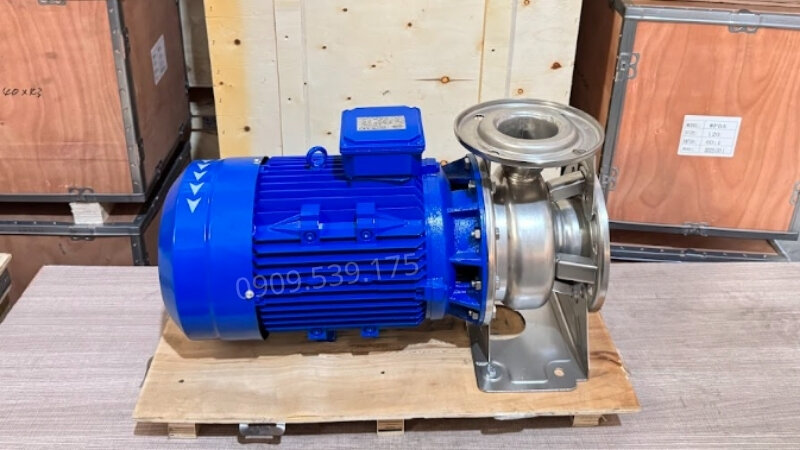
Water pump over 50m3/h: Industrial systems, factories, production zones, or large pumping stations typically prioritize this pump model due to its ability to supply large water flow rates and maintain stable pressure. This is a suitable choice for projects requiring continuous operation with high efficiency.
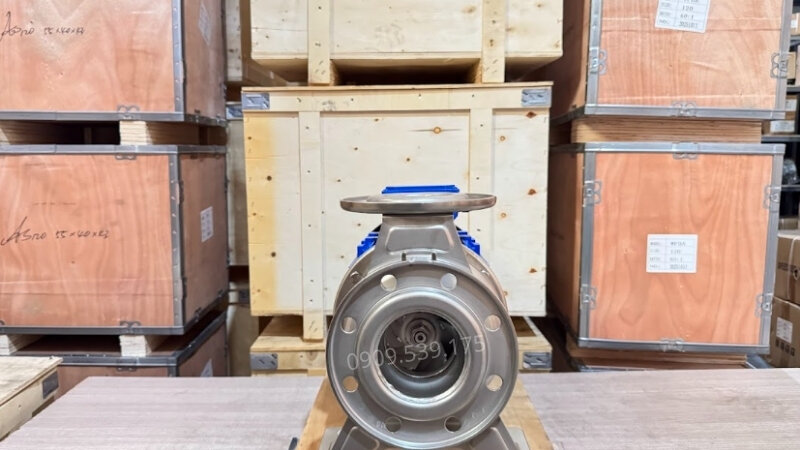
High head water pump price at Thanh Thai Motor
Below is the latest updated high head water pump price list at Thanh Thai Motor for 10/2026 with a variety of capacities, flow rates, and heads, suitable for high-rise water supply, irrigation, and industrial systems.
Criteria for selecting a high head water pump
When choosing to buy a high head water pump, users should clearly define their actual usage needs to select the appropriate power capacity, flow rate, and head. Choosing incorrect specifications can cause the pump to operate inefficiently, consume excessive electricity, or wear out quickly.
- Determine the required pumping height: This is the most crucial factor when selecting a pump. Users need to calculate the height from the pump installation location to the water supply point to choose the appropriate head, helping water rise strongly and stably.
- Choose the appropriate power capacity: Small houses or low-rise projects usually only require low power capacities, whereas high-rise buildings or large systems will need a stronger motor to ensure operational performance.
- Pay attention to the water flow rate: If the water demand is high or there are multiple water supply points simultaneously, prioritize a pump model with a suitable flow rate to avoid weak water flow.
- Choose the correct power supply: 1-phase electricity is suitable for families and small shops, while 3-phase electricity is typically used for industry or systems operating continuously with heavy loads.
- Check material and durability: Pump models with cast iron, stainless steel, or aluminum alloy housings will help increase lifespan, limit corrosion, and operate more stably over the long term.
- Choose a reputable brand: Prioritize brands with clear warranty policies, easily replaceable spare parts, and widespread usage to ensure peace of mind during operation.
Customers can refer to the water pump video compilation category to see the actual high head pumping capability, installation instructions, and selection experience for each pump line suited to your usage needs.
Frequently Asked Questions [FAQ]
How many floors is a high head water pump suitable for?
Depending on the power and head of each model, the pump can be used for 2-story to multi-story houses or larger-scale water supply systems.
Can a high head water pump run continuously?
Many pump models are designed to operate continuously for long periods; however, it is necessary to ensure a stable water source and avoid dry running.


