Table of Contents
What are Couplings?
Couplings are mechanical devices used to connect two or more shafts, facilitating the transmission of power and torque between machine components.
In addition to power transmission, couplings also help the system operate stably, reduce vibration, and support more flexible operation of mechanisms. Some types of couplings can also compensate for shaft misalignment or act as hinges, allowing for smoother opening/closing and power transmission.
Coupling Structure
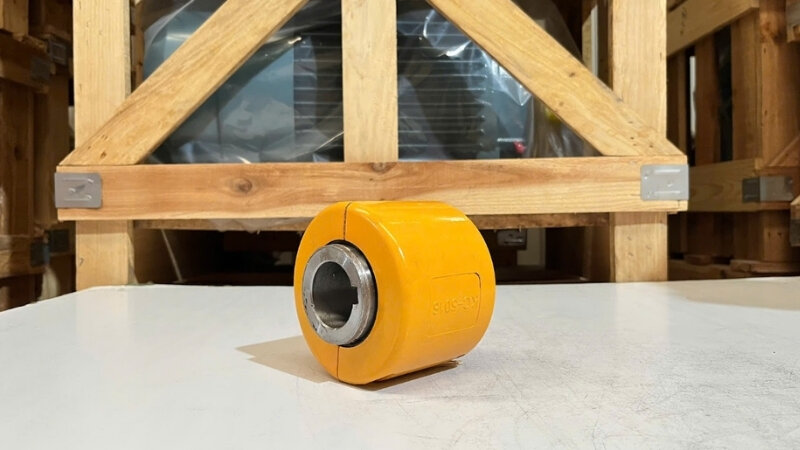
The structure of couplings can vary depending on the type, but generally, they consist of main components that connect and transmit power between two machine shafts.
- Coupling body: This is the main component used to connect the two shaft ends, typically made from steel, cast iron, or high-hardness alloy to withstand load and torque.
- Shaft bore and keyway: The internal bore helps mount the coupling onto the electric motor shaft or equipment. The keyway’s function is to fix it, preventing slippage during power transmission.
- Damping or elastic elements: Some types of couplings include rubber, plastic, or springs to reduce vibration, absorb shock, and compensate for misalignment between the two shafts during operation.
- Bolts, tightening nuts: Used to secure components together, ensuring the coupling operates firmly and stably during use.
Operating Principle of Couplings
Couplings operate by transmitting motion and torque between two shafts in a machinery system. When the electric motor runs, the driving shaft rotates and transmits power through the coupling to the other shaft. This allows the connected equipment to operate synchronously and stably. During power transmission, couplings help reduce vibration, absorb shock, and protect mechanical components from damage due to shaft misalignment or overload.
For elastic couplings, the internal rubber or damping elements also help absorb vibrations and compensate for minor misalignments between the two shafts, thereby enabling smoother and more durable system operation.
Types of Couplings
Classification by Product Type
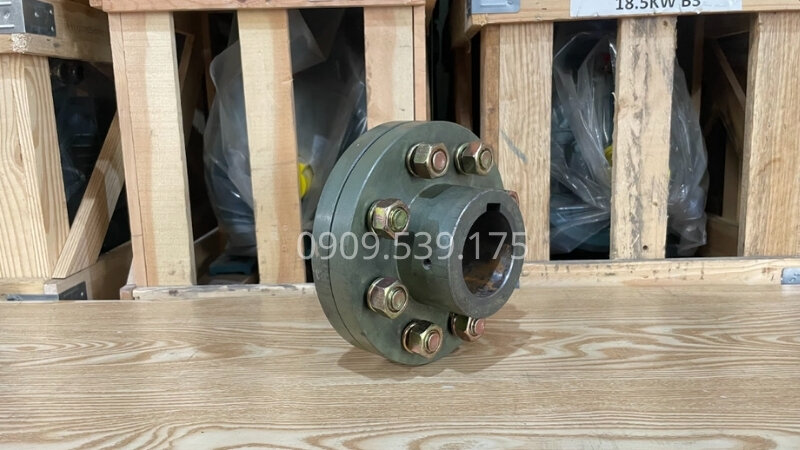
Shaft couplings
Shaft couplings are commonly used in electric motors, gearboxes, pumps, and industrial power transmission systems.
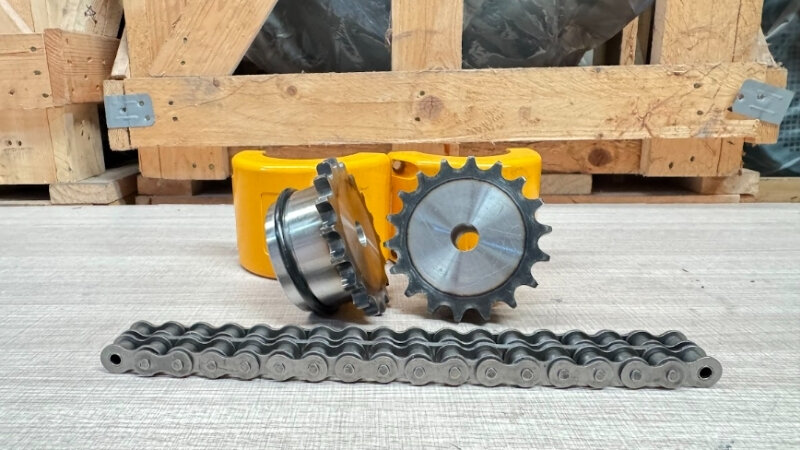
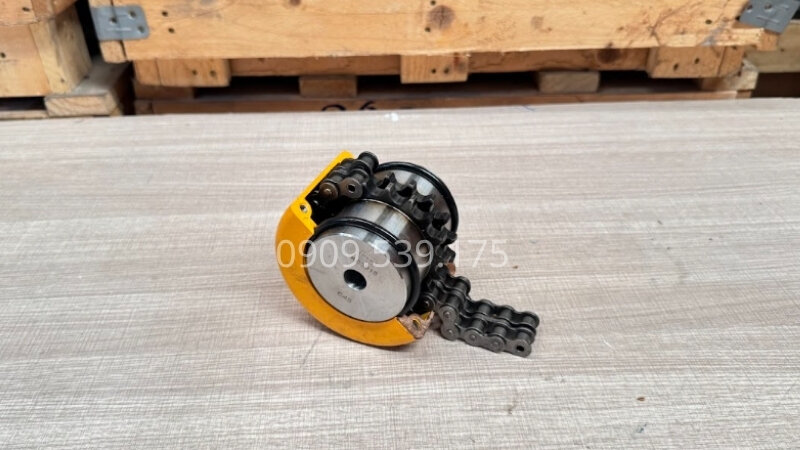
Chain couplings
Chain couplings are widely used in conveyors, forklifts, and industrial material handling systems.
Classification by Shaft Diameter
Based on the shaft diameter of electric motors, shaft couplings are divided into 2 types as follows:
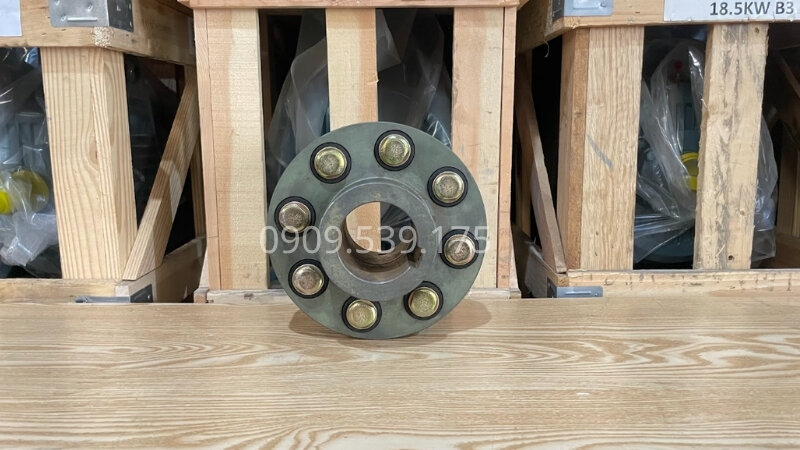
Couplings under 50mm
Couplings under 50mm are typically used for light-duty applications and small motors, suitable for equipment requiring low load and moderate speed.
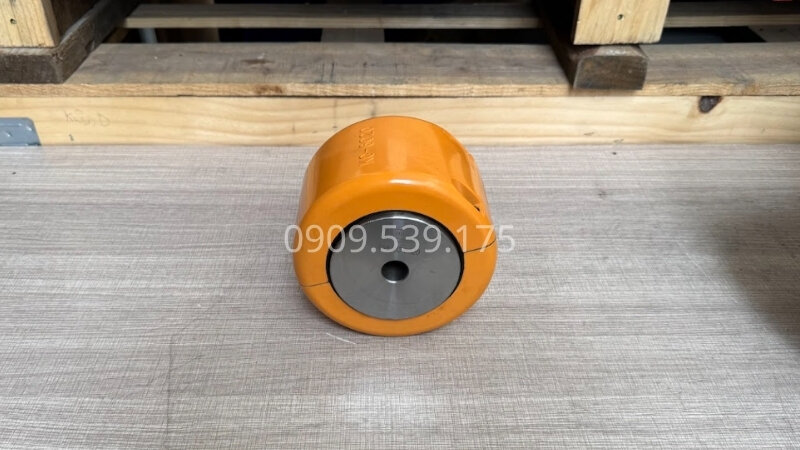
Couplings over 50mm
Couplings over 50mm are used for heavier-duty applications, commonly found in industrial machinery, designed to handle larger loads and typically employed in powerful drive systems.
Updated Couplings Price List for 10/2026 at Thanh Thai Motor
Shaft couplings Price List
Shaft couplings lines with diverse diameter sizes from 11mm to 110mm, suitable for various drive systems from small to high power.
Chain couplings Price List
Customers can refer to the price list for chain couplings with diverse models, sizes, and diameters, suitable for various industrial power transmission systems.
Couplings under 50mm Price List
Below is the price list for couplings under 50mm for small-sized product lines, suitable for various installation needs and applications in power transmission systems.
Couplings over 50mm Price List
Below is the price list for couplings over 50mm with many different types commonly used in high-power drive systems and industrial equipment.
Coupling price quote video 10/2026 - Thanh Thai Motor
rnCriteria for Choosing Couplings
When choosing couplings, you can focus on the following key factors:
- Coupling type and application: Identify the correct type of coupling (mechanical, chain, elastic, etc.) suitable for systems such as motors, gearboxes, conveyors, or industrial machinery.
- Technical specifications: Check load capacity, rotational speed, and operating conditions to ensure the coupling operates stably, without overload or vibration.
- Size and material: Choose the correct size according to the mounting shaft and prioritize materials suitable for the working environment, such as steel, stainless steel, or high-strength alloy.
- Brand and cost: Products from reputable suppliers should be chosen, while balancing price and warranty policy to ensure long-term effective use.
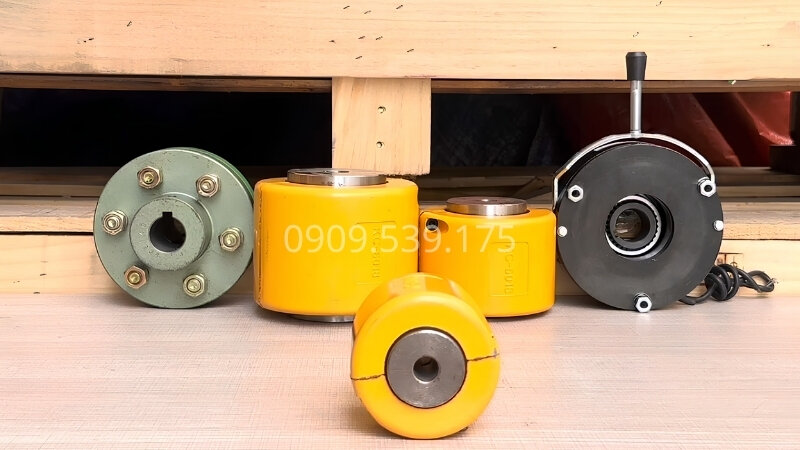
Customers can access the comprehensive video – couplings video section to find practical guides and better understand each product line before making a choice.
Frequently Asked Questions [FAQ]
When are couplings needed?
Couplings are used when power transmission is required between motors and machinery, especially in systems with shaft misalignment or a need to reduce vibration and shock during operation.
In what equipment are couplings typically used?
Couplings are widely used in electric motors, gearboxes, conveyors, pumps, industrial fans, and many other mechanical power transmission systems.
Do couplings help reduce vibration?
Yes. Some types of couplings, such as rubber couplings or elastic couplings, are very effective at absorbing vibrations and reducing shock loads, which helps the system operate more stably.

From 110.000₫

From 125.000₫

From 140.000₫

From 230.000₫

From 240.000₫

From 250.000₫

From 300.000₫

From 423.000₫

From 450.000₫

From 450.000₫

From 450.000₫

From 518.000₫

From 550.000₫

From 550.600₫

From 750.000₫

From 881.720₫

From 968.000₫

From 1.200.000₫

From 1.300.000₫

From 1.500.000₫