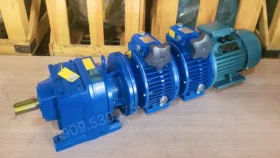
A gear motor is a drive element integrated with a combined gearbox, helping to effectively reduce rotational speed and increase torque. Among them, Gear Motors from 1.1kW to 3.7kW are the power range chosen by many businesses thanks to their stable operation, durable structure, and high transmission efficiency. Gear motors are manufactured with various gear ratios, mounting types, and voltages to meet diverse technical requirements, while contributing to optimizing operating and maintenance costs.
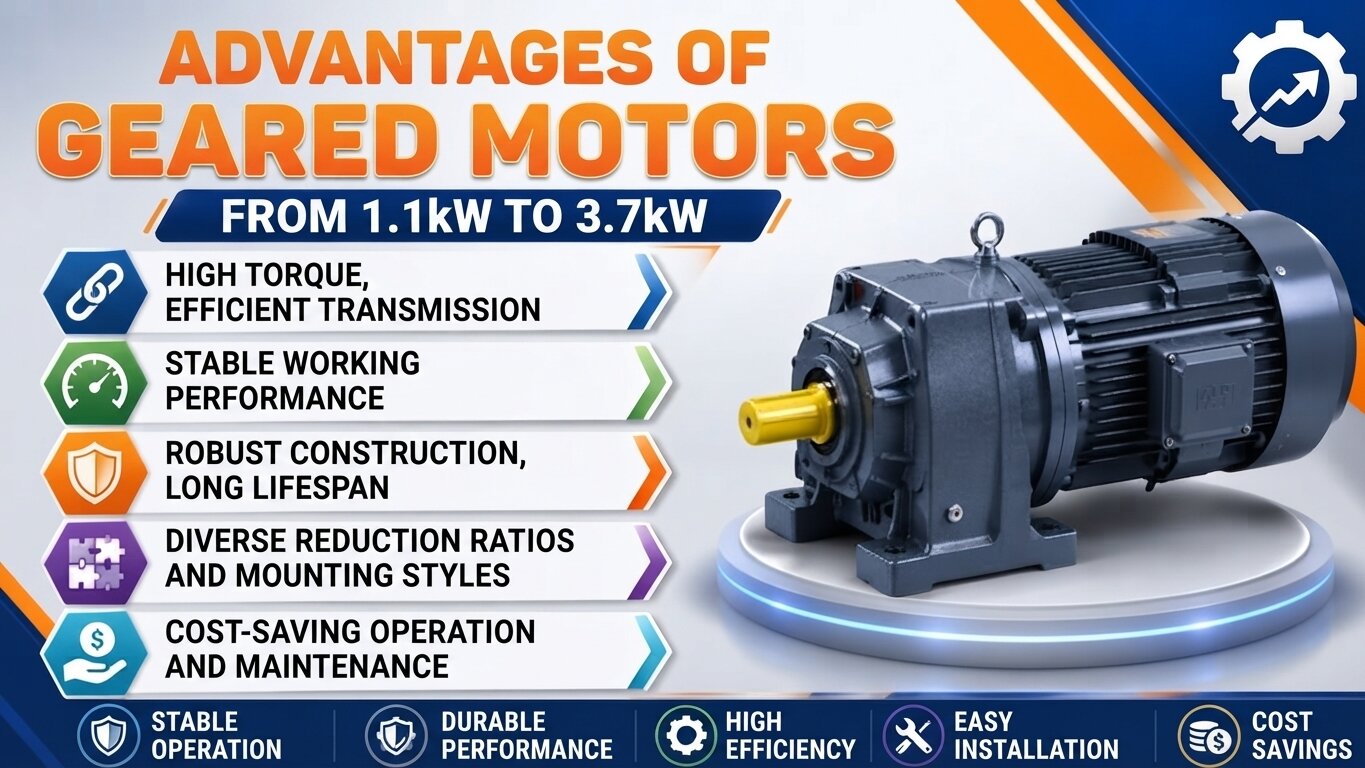
Advantages of Gear Motors from 1.1kW to 3.7kW
- High torque, efficient transmission: Thanks to the integration of a gearbox combined with the motor, it helps reduce rotational speed and increase output torque, well meeting systems requiring high traction and stable operation.
- Stable working performance: The motor is designed to operate continuously for a long time with low vibration and noise, contributing to improving production efficiency and limiting interruptions during operation.
- Sturdy structure, long service life: The gear motor housing is made of high-durability material, capable of withstanding heavy loads and working well in various industrial environmental conditions.
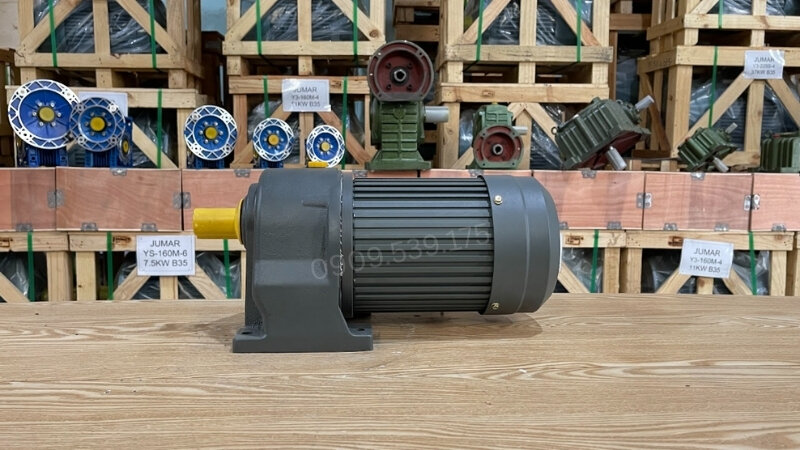
- Diverse gear ratios and mounting types: The product offers many choices of gear ratios, foot-mounted or flange-mounted types, making it easy to integrate with various machinery and equipment systems.
- Saving operating and maintenance costs: With high transmission efficiency and durable working capacity, the motor helps reduce power consumption, limit damage, and optimize maintenance costs throughout use.
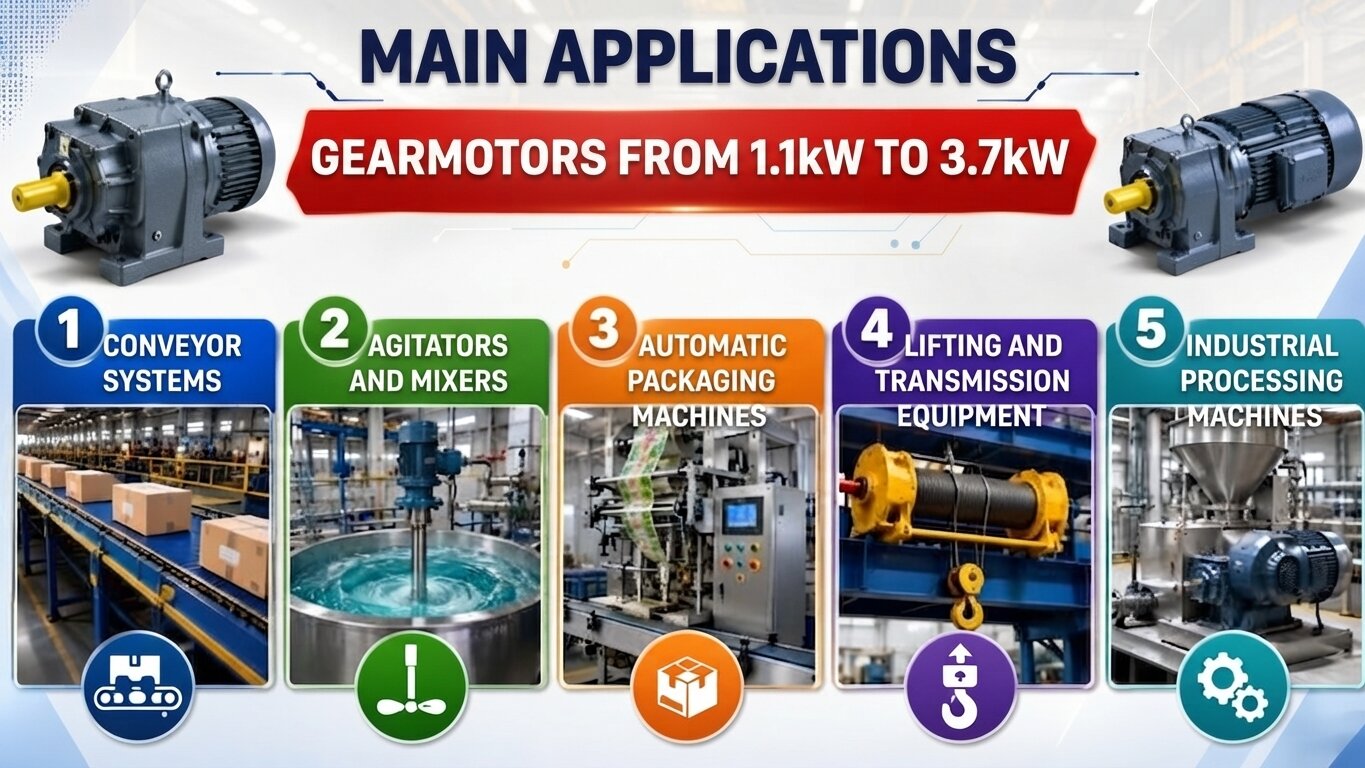
Main Applications of Gear Motors from 1.1kW to 3.7kW
- Conveyor systems: Used to drive conveyors transporting raw materials, goods, or finished products, helping the production line operate continuously and stably.
- Agitators and mixers: Suitable for stirring equipment in the food, chemical, and water treatment industries, ensuring stable rotational speed and high torque.
- Automatic packaging machines: The gear motor helps control precise movement, ensuring the packaging process runs evenly and increases productivity.
- Lifting and driving equipment: Installed in winches, lifting belts, or drive mechanisms requiring high traction and low rotational speed.
- Industrial processing machinery: Commonly used in crushers, mixers, presses, and many other production equipment, helping the system operate stably and durably with high transmission efficiency.
Prices for Gear Motors from 1.1kW to 3.7kW at Thanh Thai Motor
Customers can refer to the updated prices for gear motors from 1.1kW to 3.7kW for 10/2026 at Thanh Thai Motor below with various mounting types, gear ratios, and common load currents, suitable for many industrial transmission systems.
Criteria for Purchasing Gear Motors from 1.1kW to 3.7kW
- Choosing the appropriate gear motor type: Currently, there are many gear motor lines such as helical, bevel, worm gear, or planetary gearboxes. Each type has different structures and transmission characteristics, so it is necessary to choose according to the technical requirements of the system.
- Determining output torque: Torque is an important parameter determining the load-bearing capacity of the gear motor. Before purchasing, it is necessary to calculate the required torque to ensure the equipment operates stably, avoiding overload or performance degradation.
- Checking the gear ratio: The gear ratio directly affects the output speed of the motor. It is necessary to choose a gear ratio suitable for the working speed of the machinery to ensure the system operates according to requirements and achieves high transmission efficiency.
- Choosing materials and protection classes: Priority should be given to motor lines with high-quality cast iron or aluminum alloy housings, combined with an IP55 protection class or higher to increase dust resistance, moisture resistance, and durability in industrial environments.
- Paying attention to maintenance and spare parts replacement capability: It is advisable to choose gear motor lines with standard design, easy maintenance, and easy-to-find replacement parts. This helps reduce downtime and save repair costs during use.
To easily choose the right product according to your usage needs, customers can refer to the summary video and gear motor videos with many practical contents about the structure, operation, and application of each motor line.
Frequently Asked Questions
Can the gear ratio of the gear motor be changed after installation?
It is not possible to change the gear ratio simply by adjusting the motor. If a different gear ratio is needed, the user must replace the gearbox with a suitable gear ratio or replace the entire gear motor assembly to meet operating requirements.
Does an oil-leaking gear motor need to be stopped immediately?
Yes. When oil leakage is detected, you should check the oil seal, gasket, or oil level in the gearbox. If continued operation lasts for a long time, gears and bearings may lack lubrication, leading to wear and damage.
How to check if the gear motor is misaligned during installation?
You can use a dial indicator or feeler gauge to check the concentricity between the gear motor shaft and the driving equipment. If installed out of alignment, the system will experience vibration, loud noise, reducing the service life of bearings, couplings, and gearboxes.