


What is a Hydraulic Pump?
A hydraulic pump is a positive displacement pump specifically designed to generate and maintain the flow of hydraulic fluid, primarily oil, within a closed circuit. It is not a self-pressurizing device; instead, pressure is the direct consequence of the resistance that the oil must overcome when moving through piping systems and actuators. This mechanism ensures that every device, from cylinders to hydraulic motors, receives sufficient energy to perform work accurately.
In industries demanding high power and reliability, understanding hydraulic pumps becomes crucial. When operating hydraulic pump motors, which are powered by a main electric motor, they act as the heart, circulating oil flow to activate working mechanisms. Without an efficient pump, the system immediately loses its powerful force transmission capability, leading to production stagnation and significant losses. Our experience shows that choosing the right electric motor is the deciding factor for long-term stability.
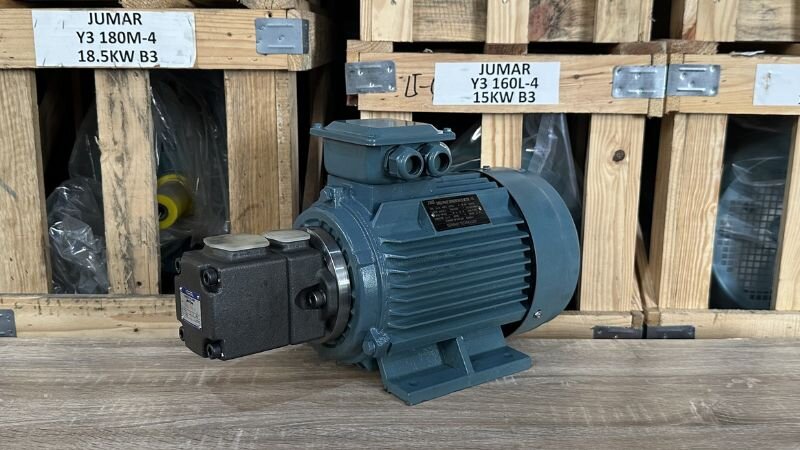
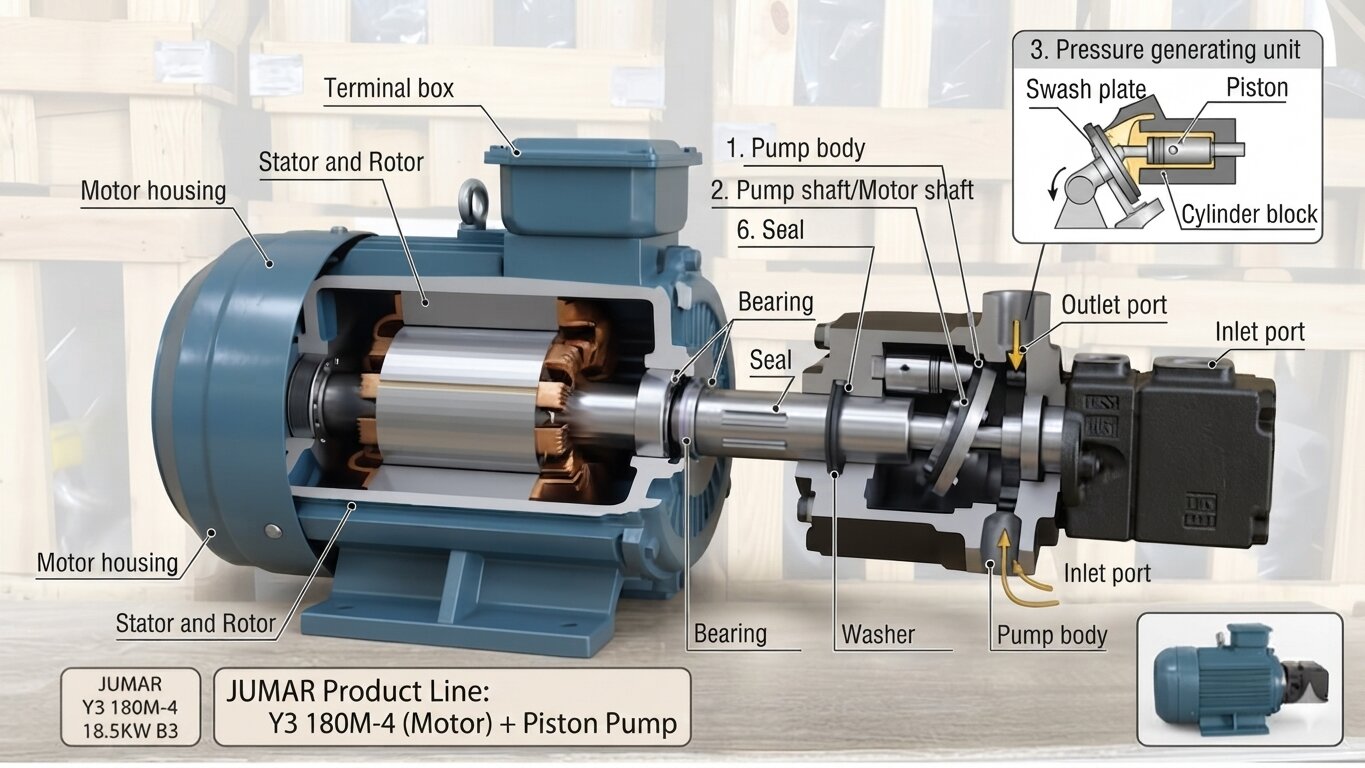
Internal Structure of Hydraulic Pumps
Despite many variations in design and principles, the basic structure of hydraulic pumps still follows certain common principles. These components must be manufactured with high precision to withstand continuous pressure and wear, a factor that major electric motor manufacturers always focus on. Their coordination determines optimal oil suction and discharge efficiency.
- Pump Body (Casing): A sturdy protective housing that withstands high working pressure and securely holds internal parts.
- Pump Shaft: Transmits rotational motion from the electric motor to the pressure-generating components, serving as the mechanical energy bridge.
- Pressure-Generating Component (Gear/Vane/Piston): The operational center that creates continuous volumetric changes to draw oil in from the inlet and force it out from the outlet under high pressure.
- Inlet and Outlet Ports: Ensure uninterrupted oil flow. Suboptimal design can cause cavitation, reducing the pump’s lifespan.
- Seals and Gaskets: Prevent oil leakage around the shaft and clearances. Leakage reduces operating pressure and efficiency while causing oil loss and environmental pollution.
Working Principle of Hydraulic Pumps
The working principle of hydraulic pumps is to create a continuous pressure differential. The process begins when the electric motor transmits mechanical energy to the pump shaft, activating the pressure-generating components. At the inlet, these parts create a vacuum zone (low pressure), causing atmospheric pressure to push oil from the reservoir to fill the pump chamber.
Next, the pressure-generating components compress the drawn oil and continuously push it out of the outlet under high pressure. This compression and discharge process takes place continuously, providing a stable oil flow for the system. Industrial electric motors play an important role by providing stable rotational force to optimize pump performance, requiring appropriate power capacity to avoid overloading.
Mastering this principle helps engineers diagnose problems quickly; for example, if a pump fails to draw oil, the issue may lie in a blocked suction pipe or a stuck valve, preventing serious damage and high repair costs.
Classification of Hydraulic Pumps
Depending on the power and operational requirements of each system, hydraulic pumps are divided into different groups to effectively meet specific application needs.
Hydraulic pumps under 3.7kW
Suitable for small to medium-scale hydraulic systems with moderate loads. This machine line is commonly used in simple mechanical equipment, small presses, machine tools, or civil hydraulic systems, helping to save energy and optimize investment costs.
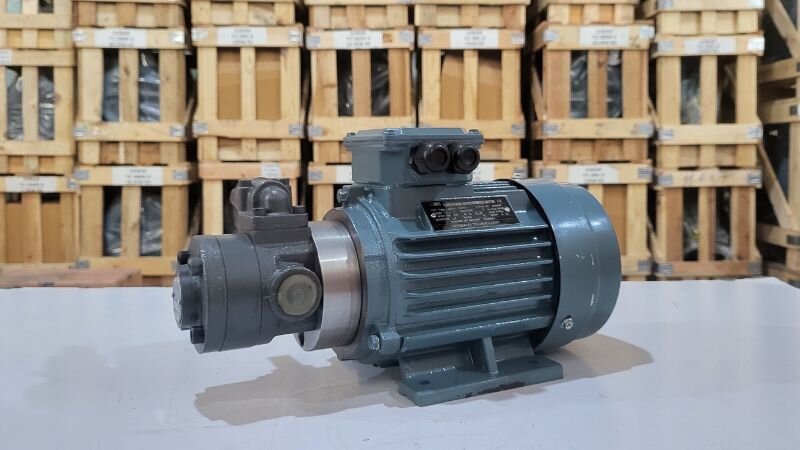
Hydraulic pumps over 3.7kW
Designed for heavy industrial applications requiring high pressure and continuous operation. High-capacity hydraulic pumps often appear in production lines, industrial presses, lifting systems, and heavy-duty hydraulic equipment, ensuring stable and durable working performance over time.
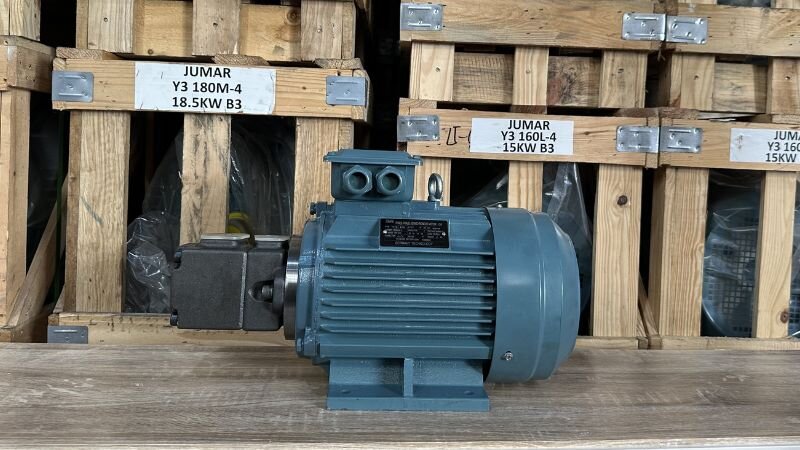
Hydraulic Pump Pricing Table at Thanh Thai Motor
Thanh Thai Motor offers a wide variety of hydraulic pumps with different models, capacities, and pressure levels, flexibly meeting the diverse needs of customers in industry and production. Below is the detailed hydraulic pump pricing table compiled by Thanh Thai Motor, helping you easily refer to, compare, and choose the right product, ensuring quality, stable performance, and competitive pricing.
Effective Selection of Hydraulic Pumps
Choosing hydraulic pumps should be based on technical requirements rather than just looking at price. The right decision helps the system operate stably, saves costs, and maximizes effectiveness even when using the best electric motor.
First, correctly determine the flow rate and operating pressure to avoid wasting energy or lacking operational force. At the same time, pay attention to the type of hydraulic fluid and operating environment to ensure durability, even when prioritizing budget-friendly electric motor solutions.
Finally, choose a reputable electric motor supplier that offers products with clear origins. Many businesses trust imported electric motors for their high stability and warranty policies that ensure long-term investment effectiveness.
Frequently Asked Questions
When should hydraulic oil be replaced?
Hydraulic oil should be replaced periodically according to the manufacturer’s recommendations, usually from 2,000 to 10,000 operating hours, depending on the oil type, environment, and working conditions. Periodic oil sample analysis also helps determine the exact replacement time. This directly impacts the lifespan of hydraulic pumps.
What is the difference between gear pumps and piston pumps?
Gear pumps are simple, low-cost, and suitable for medium pressure. Piston pumps are more complex, higher cost, provide very high pressure, superior efficiency, and flexible flow adjustment. Each type of hydraulic pump has its own specific application, requiring careful consideration of the intended use.
Can household electric motors be used for hydraulic pump motors?
Typically, household electric motors (220v electric motors) are not powerful enough to operate industrial hydraulic pumps. Hydraulic pumps require high torque and power, necessitating specialized industrial electric motors. Higher-capacity 220v electric motor phases often need to be evaluated by an electric motor supplier.


