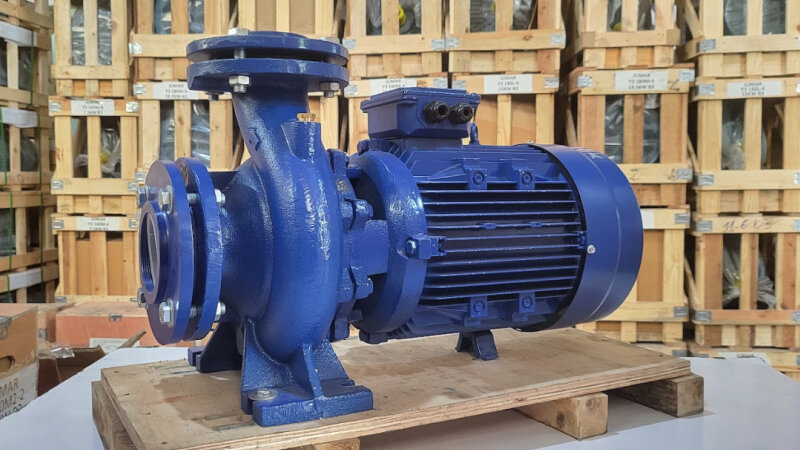
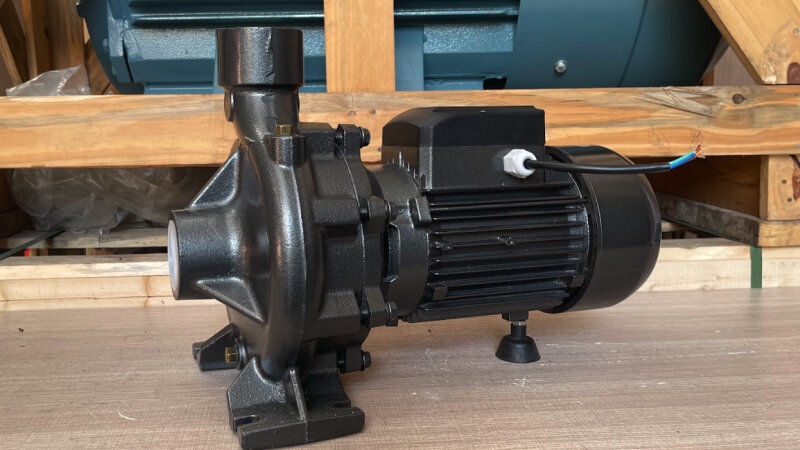
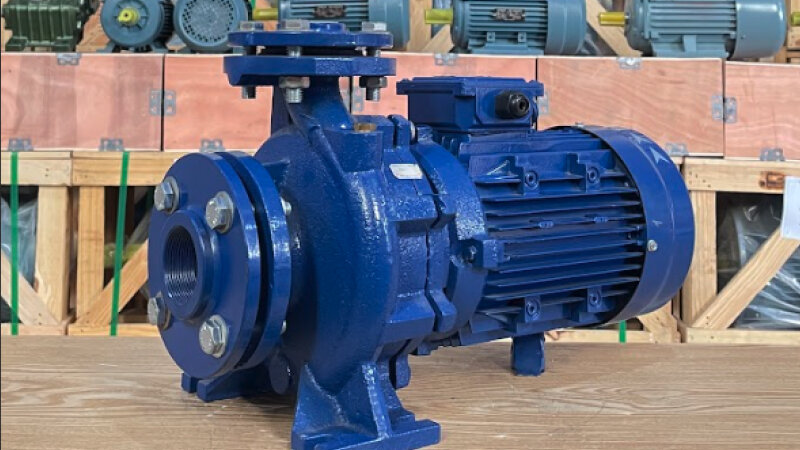
Water pumps (pump motors) are mechanical devices whose function is to suction and discharge water from areas of low pressure to areas of high pressure. These devices operate by converting mechanical energy into kinetic energy and pressure, effectively moving liquids. Water pumps are commonly used in residential, industrial, agricultural, and fire-fighting applications.
Water pumps are devices used to suction and discharge water
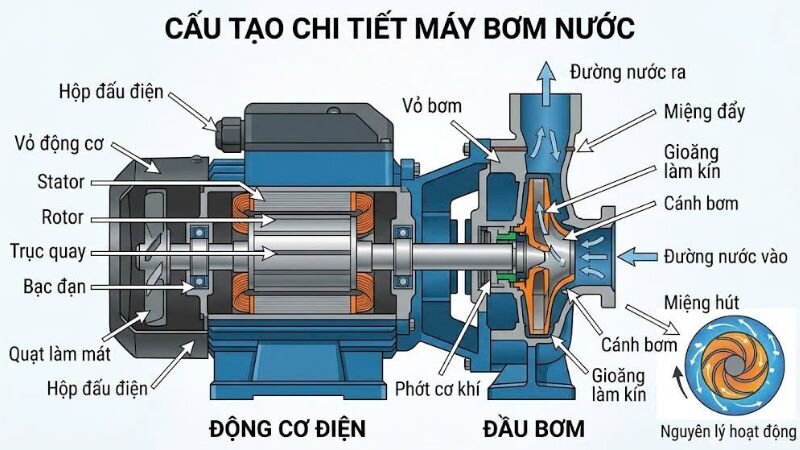
Structure of Water Pumps
Depending on the type of water pump, the detailed structure may vary. However, all water pumps have a basic structure consisting of two main parts: an electric motor (which can be a 1-Phase Electric Motor or a 3-Phase Electric Motor) and the pump head. These two parts connect to convert electrical energy into mechanical energy, thereby creating the force to suction and discharge water.
Structure of water pumps
Operating Principle of Water Pumps
Although there are many different types of water pumps, they all share the same operating principle of suctioning and discharging water.
Suction: When the motor rotates, the impeller rotates accordingly, creating low pressure at the suction inlet, drawing water from outside into the pump casing.
Discharge: The force from the impeller (usually centrifugal force) pushes water out through the discharge outlet upwards or far along the pipeline.
Classification of Water Pumps
Water pumps have many specific types as follows:
Classification by Product Type
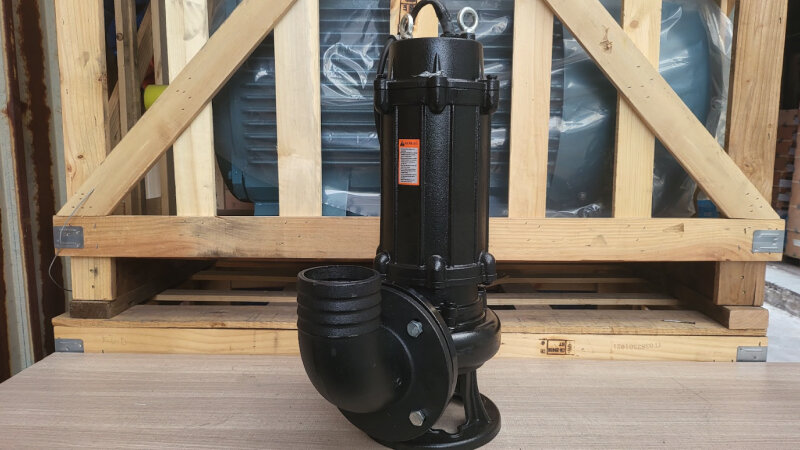
Submersible Pumps
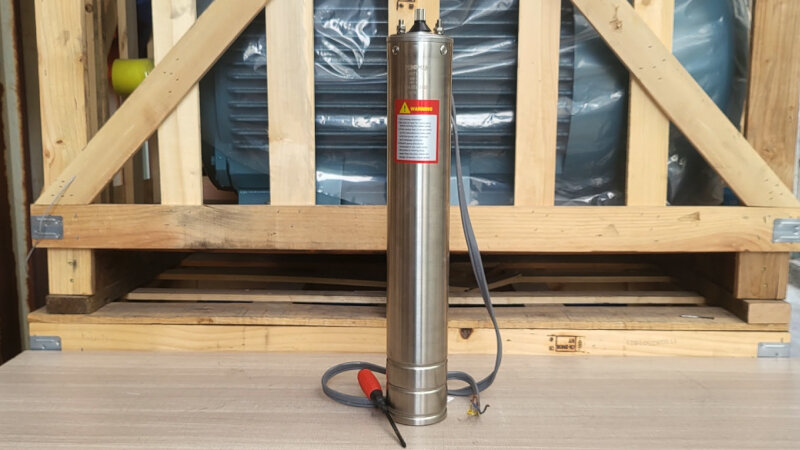
Submersible pump 2.2kW 3Hp
Designed to operate underwater, often used in boreholes, ponds, or wastewater treatment systems. Submersible pumps are classified into two main types: 1-phase submersible pumps and 3-phase submersible pumps, meeting diverse usage needs in various applications.
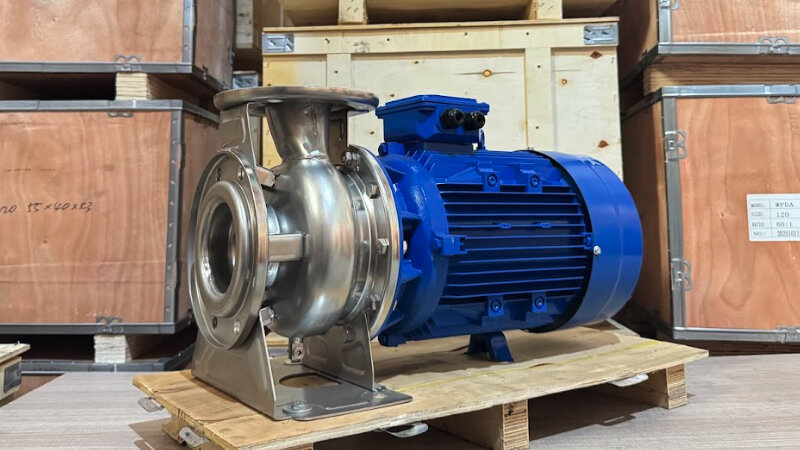
Centrifugal Pumps
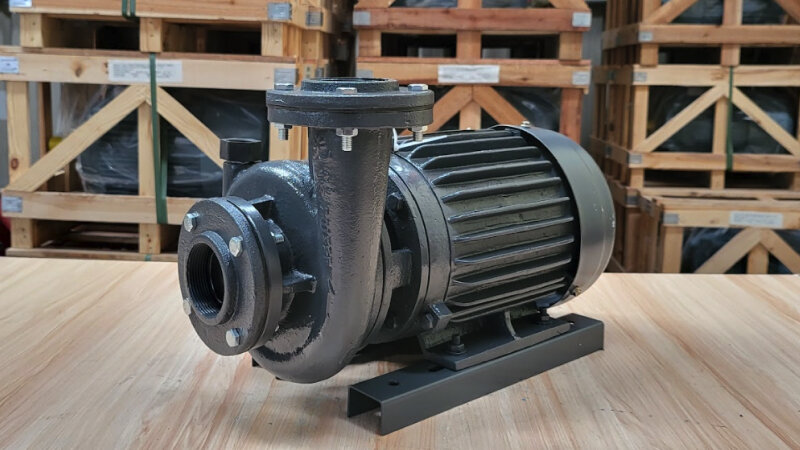
Stainless steel head centrifugal pump
Use centrifugal force to push water, common in industrial and agricultural applications due to their stable operation and high efficiency. Centrifugal pumps are classified into two main types: 1-phase centrifugal pumps and 3-phase centrifugal pumps, suitable for various usage needs in industrial applications.
Booster Pumps
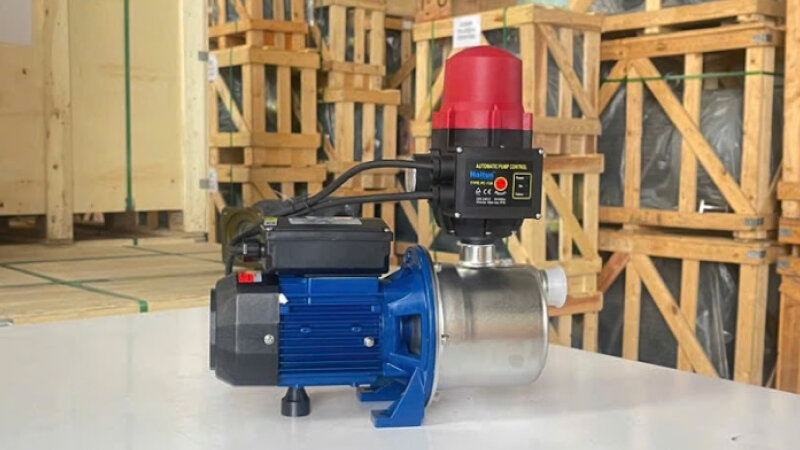
Booster pump 1.1kW 1.5Hp
Booster pumps help increase water pressure in pipeline systems, suitable for households or buildings with a need for stable water supply.
Crocodile Water Pumps
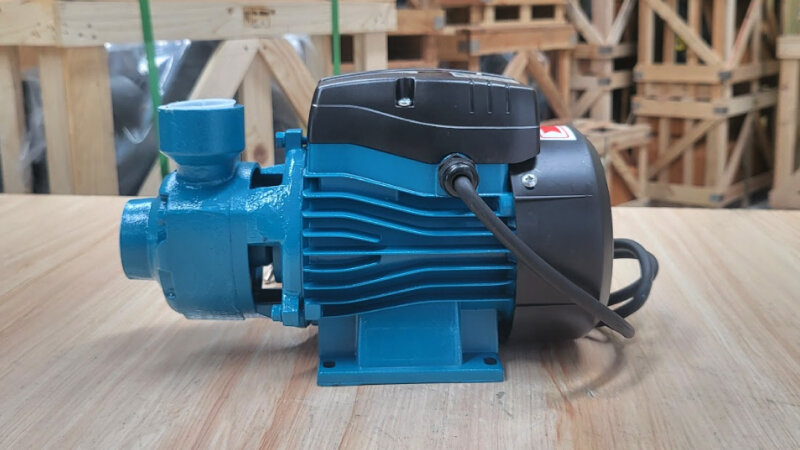
Are a type of centrifugal pump that resembles a crocodile’s head, hence the name crocodile water pump, often used in residential applications.
High Head Water Pumps
High head water pump 3kW 4Hp
Are a type of residential pump using 220V electricity, designed to pump water from dug wells or underground water sources, serving for irrigation purposes and pushing water to higher floors of buildings. High head water pumps are classified into two main types: 1-phase high head water pumps and 3-phase high head water pumps, meeting diverse usage needs.
Borehole Pumps
Borehole pump 1.5kW 2Hp
Are a type of pump commonly used in mountainous and high-altitude areas, thanks to their ability to pump water from wells or underground water sources. Borehole pumps are classified into two main types: 1-phase borehole pumps and 3-phase borehole pumps, suitable for different usage needs.
TECO Water Pumps
TECO water pump 2.2kW 3Hp
TECO water pumps are equipped with durable TECO motors, offering stable operation, good load bearing, and suitability for many demanding working environments. They are widely used in industrial, residential, and agricultural applications. 3-phase TECO water pumps are suitable for factories, large projects, and continuous operation.
Classification by Phase
1-Phase Water Pumps
1-Phase water pump 3kW 4Hp
1-Phase water pumps use 1-phase 220V electricity, commonly used in homes or small industries.
3-Phase Water Pumps
3-Phase water pump 5.5kW 7.5Hp
3-Phase water pumps use 380V or 660V electricity, suitable for industrial and large-scale production applications.
Latest Water Pumps Price List for 10/2026 at Thanh Thai Motor
Submersible Pumps Price List
The price of submersible pumps is categorized based on the pump body material (stainless steel, cast iron, or plastic) and their intended use, such as pumping clean water, mud, or wastewater. Costs will vary depending on water flow rate, maximum head, and safety features like integrated automatic shut-off floats.
The pricing for these specialized borehole pumps primarily depends on the pump body diameter and the number of impeller stages. Selling prices are based on the lift capability and the durability of the motor in fully submerged environments.
The price of high head water pumps is determined by their power and ability to transport water to higher floors. Costs will vary based on quiet operation performance and the pump casing’s heat resistance.
Pricing for these pumps focuses on integrated technologies such as electronic relays, pressure tanks, or Variable Frequency Drive technology to stabilize water pressure. Prices will fluctuate depending on the output flow rate and the sensitivity of the pressure sensor equipped with the unit.
The price of centrifugal pumps is calculated based on extremely high water flow rates and impeller structure. Investment costs depend on the suction and discharge pipe sizes and the pump shaft material to ensure stable long-term operation.
Pricing for TECO water pumps often comes with a reputation for the durability and performance of genuine motors. Unit prices are classified by specific product codes, meeting stringent industrial standards for energy saving and heavy-duty load capacity.
This is a line of pumps with extremely competitive prices and is popular in the residential segment. The price list is built based on standard models, serving irrigation or domestic water supply needs with very reasonable initial investment costs.
Water pump price quotation video 10/2026 - Thanh Thai Motor
rn
How to Install New Water Pumps
Below are detailed instructions for installing new household water pumps:
Step 1: Place the water pump on a flat surface and securely bolt the motor base.
Step 2: Connect the suction and discharge pipes to the water pump.
Step 3: Proceed to connect the power supply to the water pump; a protective circuit breaker (CB) can be added for automatic shut-off in case of a water pump malfunction.
Step 4: Fill the pump casing of the water pump with water to prevent seal burnout due to dry running.
Step 5: Supply power to the water pump and check if the water pump is running stably.
Customers can visit the water pumps video page to watch more instructional, introductory, and pricing videos, etc., produced by Thanh Thai Motor’s technical team.
Frequently Asked Questions (FAQ)
Why are water pumps running but not drawing water or only drawing very weakly?
This is the most common technical fault; there are many reasons why water pumps may not draw water, but it usually stems from three main causes:
Leaky suction pipe: Even a small leak at a joint or a faulty foot valve (pump strainer) will allow air to enter, causing a loss of vacuum pressure.
Head difference: The total height from the water level to the discharge point and pipe friction (head) is higher than the pump’s design capacity.
Reverse rotation: For 3-phase pumps, if the power cables are connected incorrectly, the impeller will rotate in reverse, reducing the water flow rate to only about 20-30%.
How to choose optimal suction and discharge pipes for industrial pumping systems?
A common technical mistake is installing pipes with a diameter smaller than the pump’s suction/discharge port to save costs. In reality, overly small pipes will increase friction, cause head loss, and lead to the motor overloading and heating up quickly.
The standard rule is: The suction pipe should be larger than or at least equal to the diameter of the pump’s suction port; the discharge pipe can be equal to the discharge port but should not narrow abruptly. Maintaining pipes to the correct standard helps water pumps achieve maximum efficiency and save up to 15% on electricity consumption.
What is cavitation in water pumps and how to prevent it?
Cavitation occurs when the pressure at the pump’s suction inlet drops below the vapor pressure of water, creating gas bubbles. When these bubbles move to a high-pressure region within the pump casing, they collapse with immense force, causing pitting on the impeller surface and severe vibration.
To prevent this, customers need to ensure that the net positive suction head (NPSH) is lower than the pump’s allowable specification, avoid installing suction pipes that are too small or too long, and regularly clean the foot valve to prevent flow obstruction.